
Vegas gets the call by default. But if you're a meeting planner who actually wants to move the needle, it's time to look west.
Vegas Has the Reputation. LA Has the Results.
Let's acknowledge the obvious: Las Vegas is a meeting-industry machine: over 14 million square feet of convention space, consistently ranked the #1 trade-show destination in the U.S. Hard to argue with.
But "ranked first" is not the same as "right for your group." For many corporate teams, Vegas's greatest strengths are also its biggest liabilities.
The city was engineered to keep people indoors, overstimulated, and away from daylight. No clocks on the casino floor. Few windows anywhere. And drayage charges can run 30% higher than in other cities due to union regulations, with no workarounds. If you care about focused outcomes and controlled budgets, that matters.
Los Angeles offers something genuinely different: world-class event venues inside a real, living, creatively charged city. Here's how to make the case.
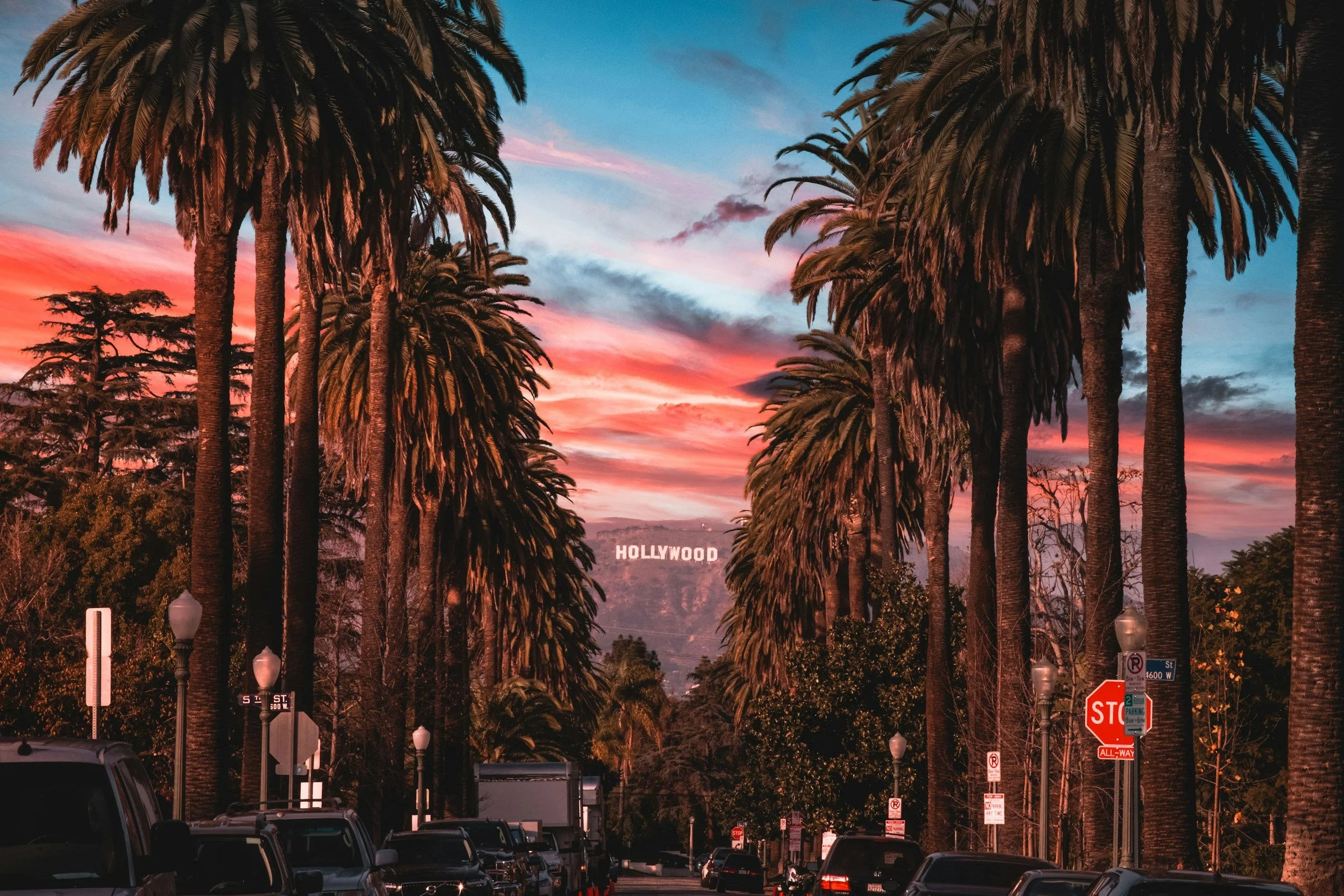
1. Venue Variety: Character vs. Convention Floor
The typical Vegas event arc: land, check into the hotel-casino, walk 400 feet to the convention hall, leave three days later without ever really seeing the city. The properties are impressive, but they all follow the same logic — massive, windowless, optimized for volume.
LA offers natural light, terraces overlooking the hills, and environments that actually spark energy.
But let's be honest about the traditional LA event model: book your hotel in Hollywood, your meeting space Downtown, and your dinner in Santa Monica, and your attendees will spend three hours of the agenda stuck on the 405.
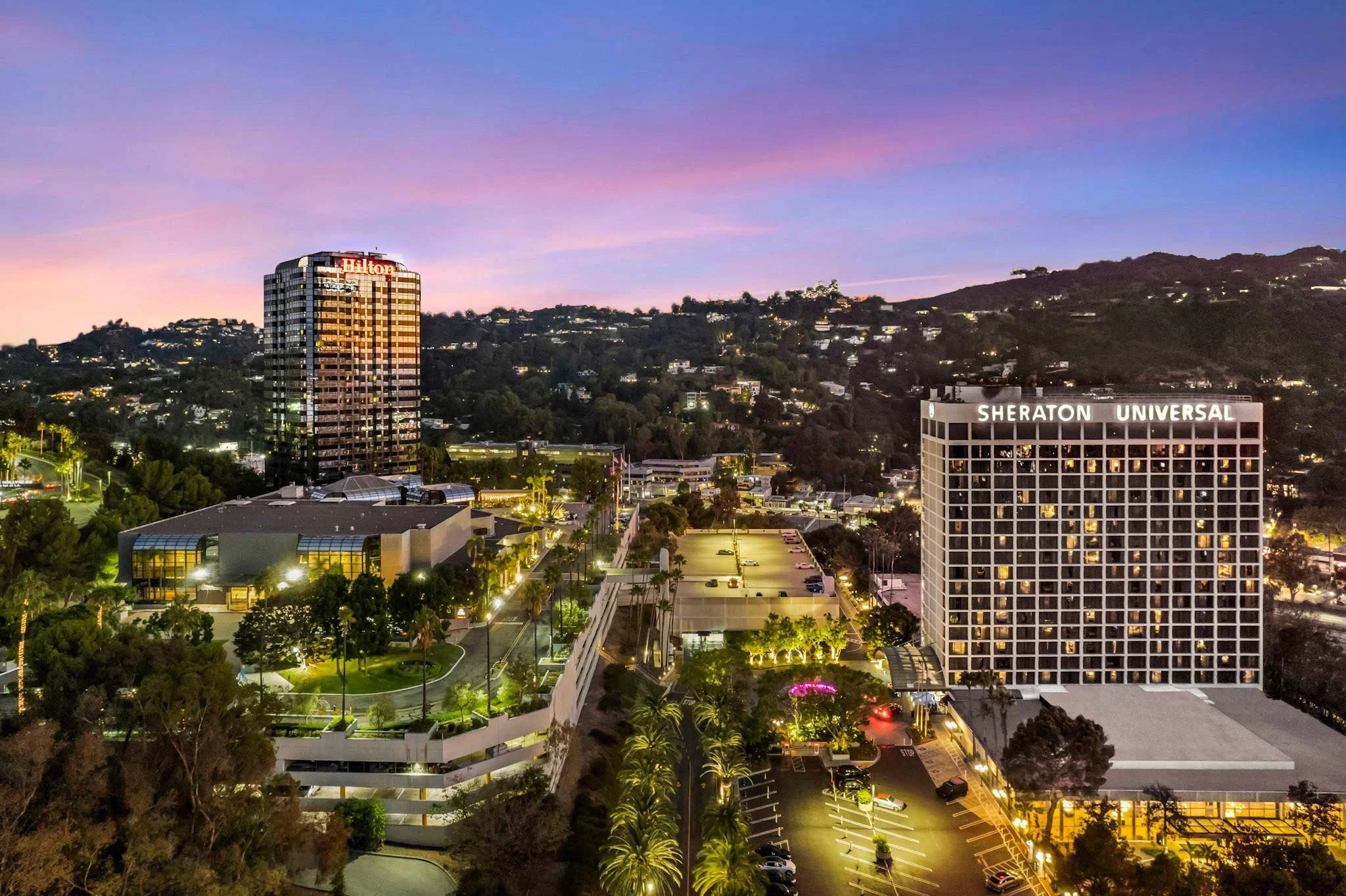
That's why the modern LA strategy is the sanctuary venue. Properties like The Hill deliver the logistical perfection of Vegas — 939 hotel rooms, 100,000 square feet of meeting space, catering all under one roof — with Southern California weather and a five-minute walk to Universal Studios instead of a windowless casino. Operational ease of Vegas, every advantage of LA.
2. Getting There: The Airlift
Domestic airlift is roughly a wash. Harry Reid International and LAX both connect to well over 100 cities with minimal hassle.
Where LA pulls ahead is international routes, which is critical for companies with global teams or clients. LAX consistently ranks among the top five busiest airports in the world for international traffic, and the ongoing terminal expansion is making the arrival experience markedly better.
3. The Weather Advantage
Vegas and LA both have sunshine. They are not the same city climatically.
Las Vegas in summer means 105–115°F from June through September. That's not a minor inconvenience; it eliminates outdoor programming, makes arrivals miserable, and keeps everyone sealed in air-conditioned interiors. Plan a rooftop reception in Vegas in July and you're either moving it inside or calling a medic.
LA stays temperate year-round: mid-60s in January, low 80s in October, almost no rain from May through October. You can plan outdoor events in any month with reasonable confidence. That’s genuinely valuable scheduling flexibility for a multi-day program with a few hundred people.

4. The Attendee Experience: What Happens After 6 PM
When sessions wrap, what does your team actually want to do?
Vegas defaults to one answer: casinos, clubs, curated excess. That works for some groups. For cross-generational teams with diverse interests or health-conscious attendees, it breeds quiet resentment.
LA offers variety that doesn't feel forced. Brainstorm by the Pacific. Tour a working Hollywood studio. Hike Runyon Canyon, kayak Marina del Rey, spend an afternoon at the Getty or LACMA. Eat ramen in Little Tokyo or a celebrity-chef tasting menu in Beverly Hills. Grand Central Market alone captures the breadth of LA's culinary scene, from gourmet street food to international cuisine. Nobody's stuck because they don't drink or don't gamble.
The net effect: attendees arrive to day two refreshed rather than depleted. That's a legitimate event-ROI argument.
5. The Industry Ecosystem: Who Else Is in the Room
This is a dimension Vegas genuinely cannot replicate. Las Vegas is a gathering point. Los Angeles is an industry hub.
In 2026, LA has emerged as a powerhouse for AI-native applications, immersive media, and creator-economy infrastructure, fueled by proximity to Hollywood studios, top-tier engineering talent from UCLA and USC, and a surge in Series A+ funding for cross-industry startups. For teams in media, tech, entertainment, fashion, and adjacent sectors, your event isn't just happening in a city; it's happening inside the ecosystem your people want to be part of.
Case in point: LA Tech Week returns in October 2026, spanning Santa Monica to Downtown with over 100 events covering AI, venture capital, and startup networking. Time a corporate gathering to that ambient energy and the city does part of the work for you. You can't manufacture that in a convention hotel in the desert.
6. Strategic Timing: Invest Before the City Transforms
Between 2025 and 2028, Los Angeles will host 10 major events across the region; the Olympics alone will be the largest peacetime gathering of human beings in history.
The transit investment unlocked by the 2028 Games is real. LA Metro's D Line extension will reach Century City by late 2026, significantly improving Westside-to-Downtown connectivity. The LA Convention Center is receiving a $200 million exhibition-hall expansion to handle the influx.
What this means for planners: the city is being upgraded on a massive scale right now, and before 2028 pricing fully reflects Olympic-era demand, there's a window. Groups that lock in dates and venue relationships in 2026–early 2027 will get meaningfully better rates than those who wait.
By contrast, Vegas just completed a $600 million Convention Center renovation, and that investment is already baked into pricing. The Vegas infrastructure story is priced in. The LA story is still building.
The Bottom Line
Las Vegas will always deliver for large-scale trade shows where attendance volume is the primary metric. If you're moving 10,000 people through a single venue and need 14 million square feet, Vegas is your city.
For the rest of the corporate-event calendar, the math looks different. Los Angeles offers the scale you need, the attendee experience people actually talk about afterward, the industry energy that turns a good event into a consequential one, and the strategic timing of a city mid-transformation.
The question isn't which city has the most meeting space. It's which city will make your event matter. Right now, the answer is Los Angeles.