
How to Choose a Team Building Venue Your Team Won't Dread: A Venue's Perspective
We host team building events at The Hill in Los Angeles year-round. And we can tell within the first 15 minutes whether a group wants to be there or not. The ones that walk in and immediately start exploring the property, taking photos, grabbing coffee on the terrace? That day is going to go well. The ones that shuffle into a ballroom, sit down, and wait to be told what to do? The planner has an uphill battle ahead of them.
The difference is rarely about the activity. It's almost always about the venue.
The Space Sets the Tone Before Anything Starts
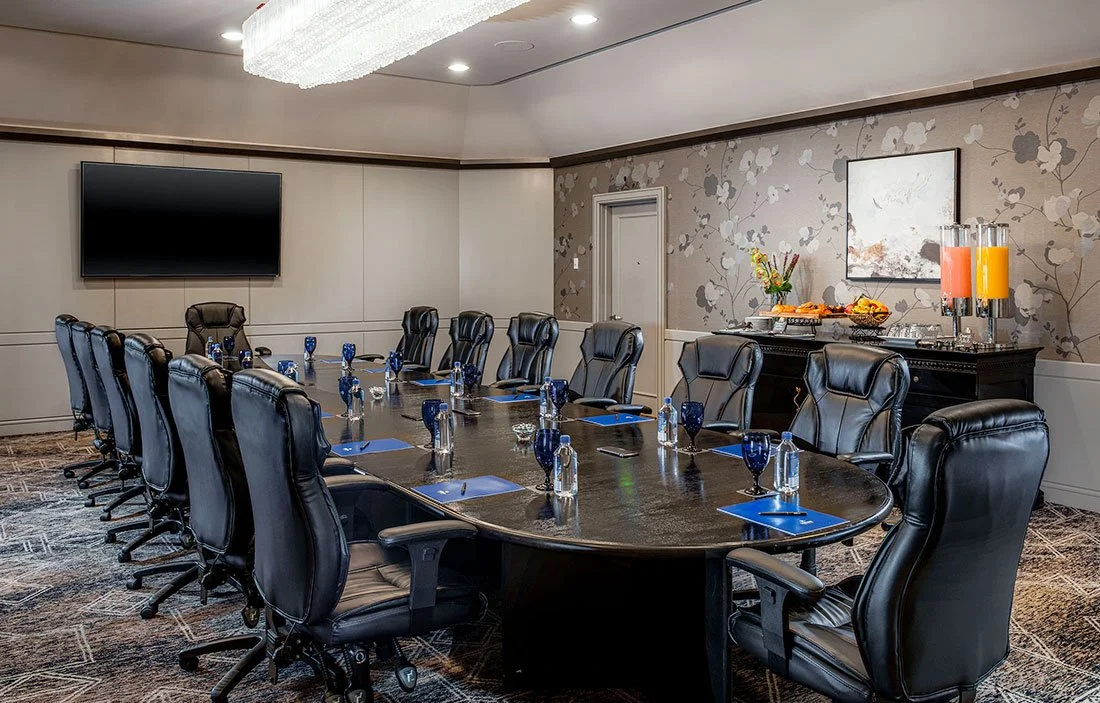
Most team building events happen in conference rooms, hotel meeting floors, or rented office spaces. These are fine for presentations. They're terrible for getting people to open up, relax, and connect with coworkers they don't normally talk to.
When someone walks into a room that looks like every other meeting they've sat through this quarter, their brain shifts into work mode. They check their phone, open their laptop, and mentally prepare to endure the next few hours.
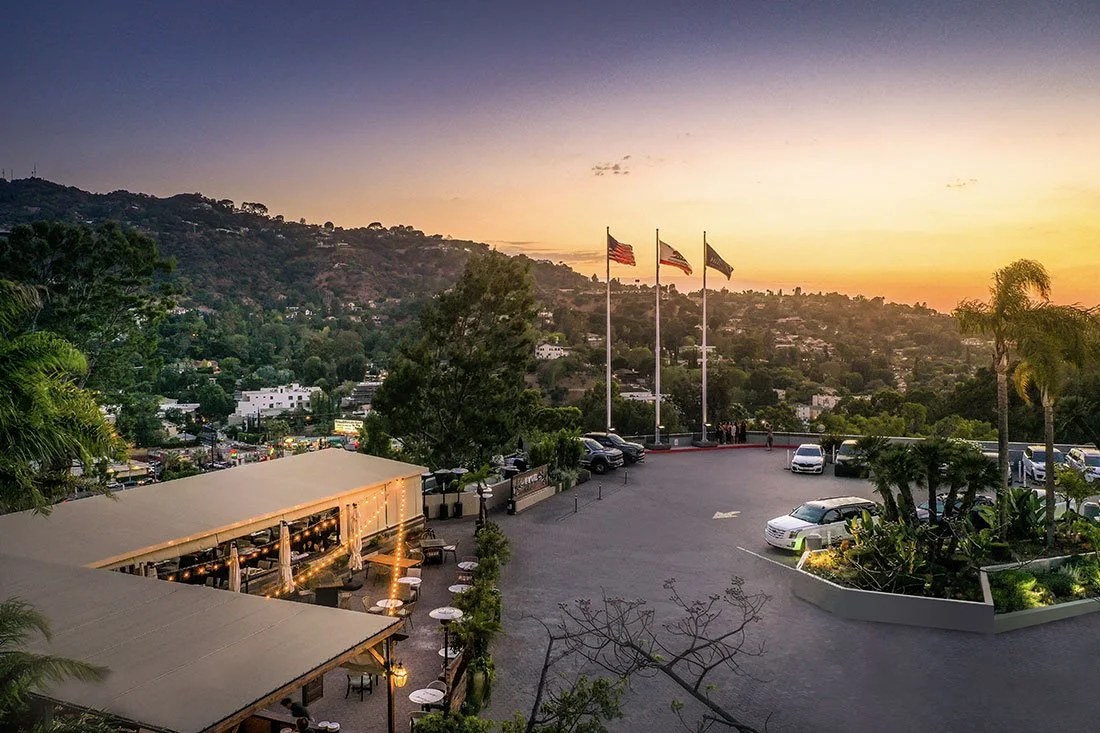
A team building venue should feel different from the office the moment people arrive. Natural light, outdoor space, an atmosphere that doesn't scream "corporate function." The goal is to break the pattern. When the setting surprises people, even a little, their guard drops and the day starts from a better place.
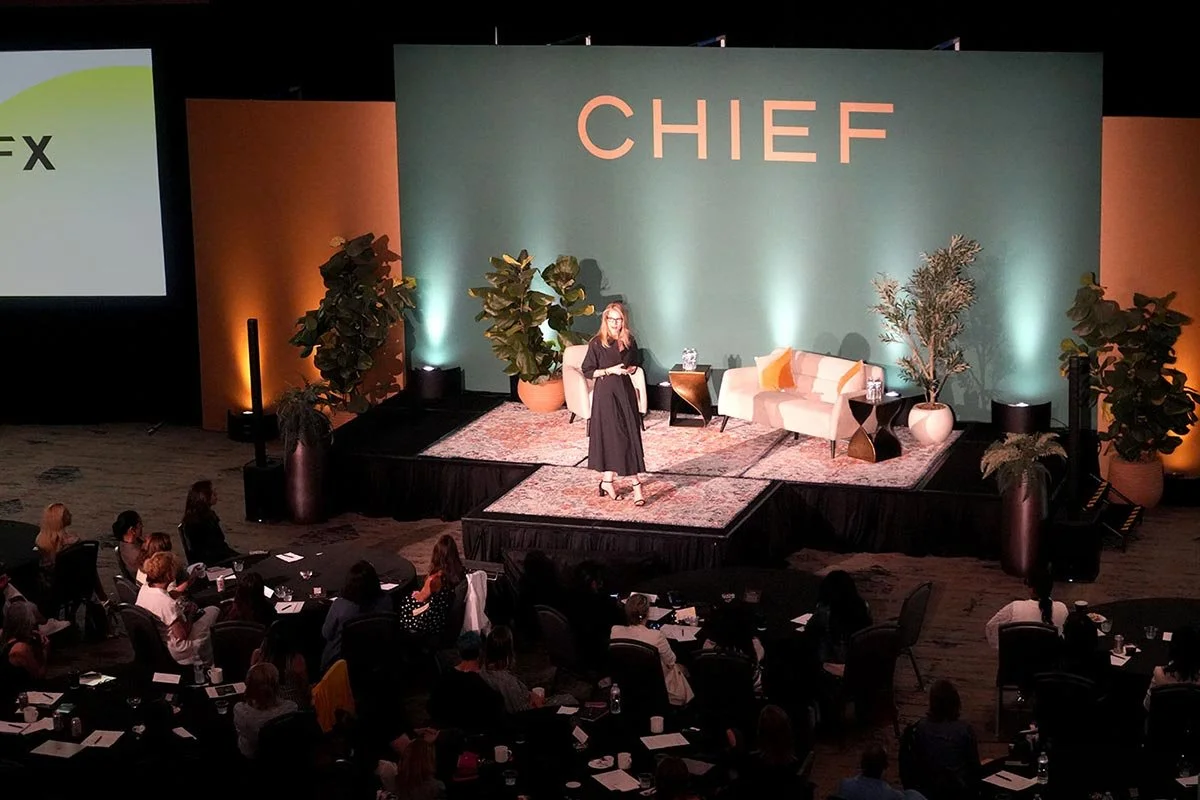
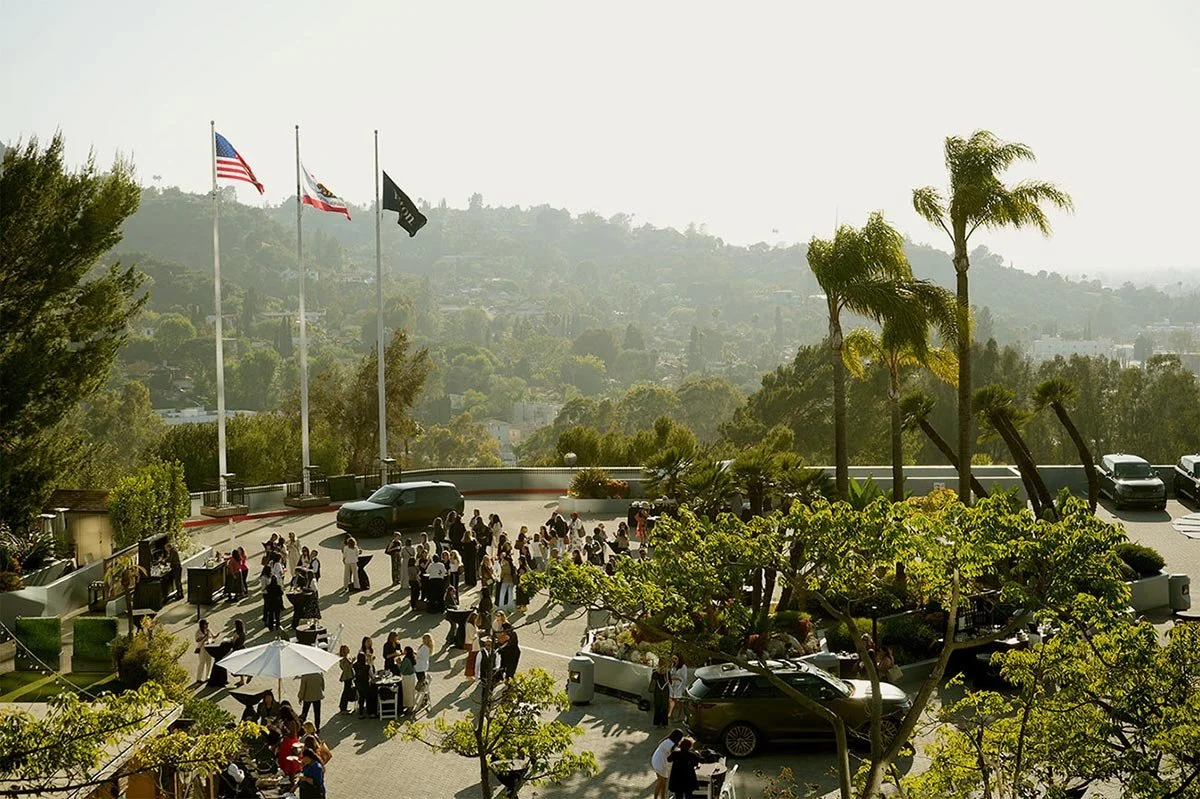
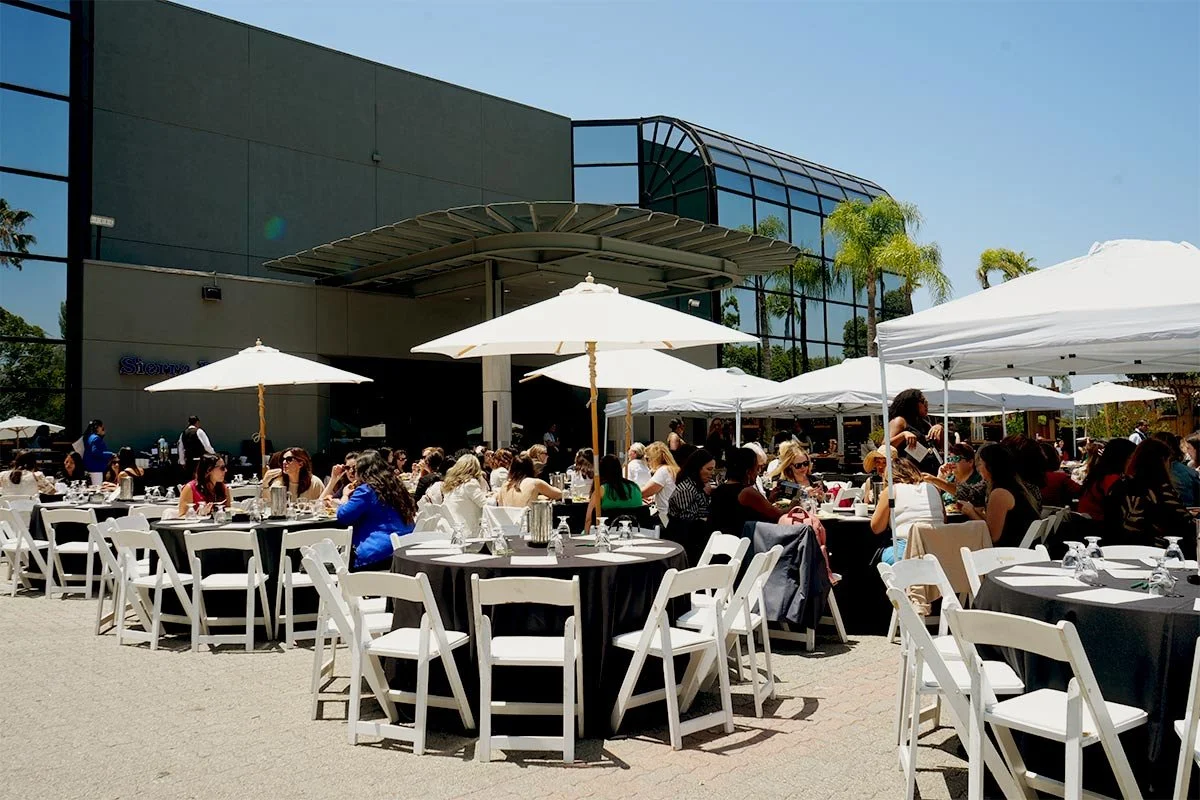
Give People Room to Move Around
One of the biggest mistakes we see is planners booking a single room for an entire day.
Eight hours in the same four walls with the same group of people is exhausting no matter how good the facilitator is. Energy drops, attention drifts, and by mid-afternoon you've lost half the room.
The fix is simple: use more than one space. Morning session inside. Lunch somewhere different. Afternoon activities outdoors or in a separate area. When the environment changes, the energy resets. People stand up, walk, have side conversations during transitions. Those informal moments between sessions are often where the best team bonding happens, not during the structured activity itself.
Look for venues that have multiple distinct spaces on one property so your group can move between them without transportation or major logistics.
Not Everyone Bonds the Same Way
Research from Leadership IQ found that nearly half of employees say traditional team building activities make them uncomfortable or feel fake. That number is even higher among introverts and people who process things quietly.
The venue can help solve this. Properties with variety (indoor rooms, outdoor areas, lounges, quieter corners) give people different ways to participate. The extroverts will be front and center for the group challenge. But the people who connect better over a conversation at a table on the terrace? They need a venue that allows that too. If your entire day is locked in one room where the only option is to perform in front of the group, you're going to alienate a significant portion of your team.
The best team building venues offer structured spaces for the main program and unstructured spaces where organic connection can happen on its own.
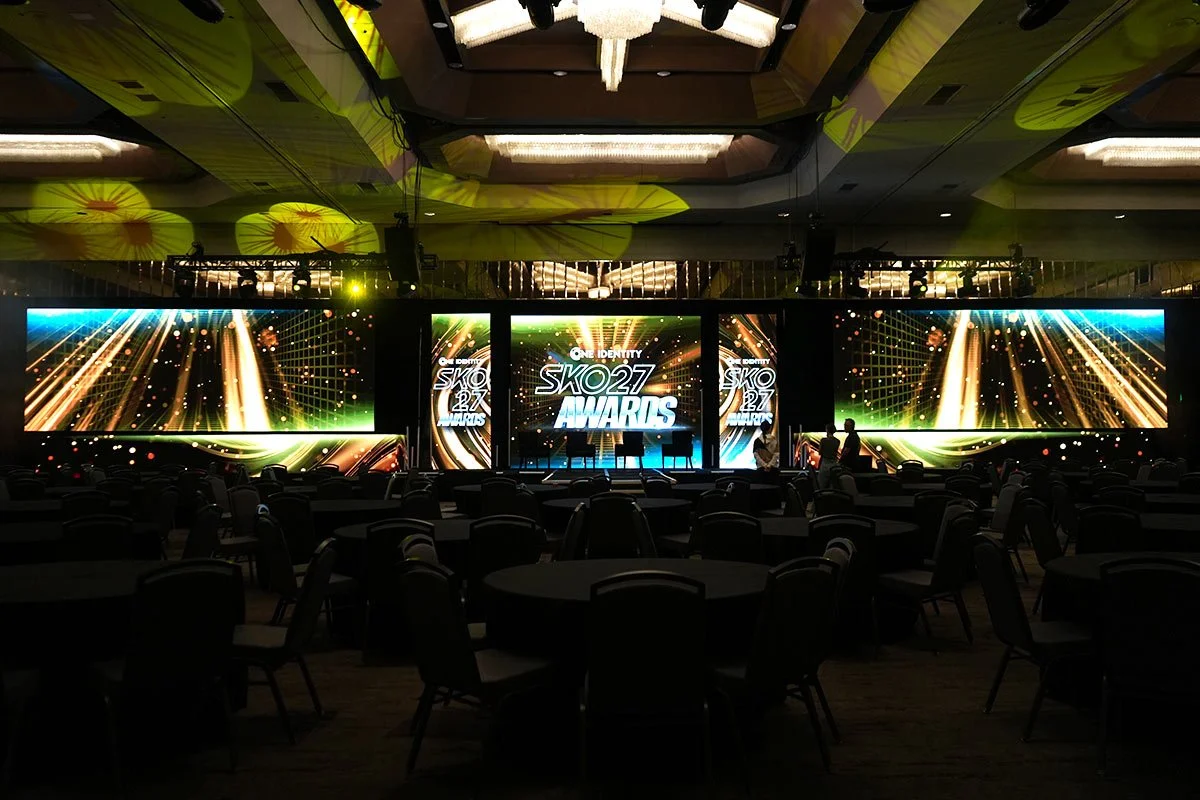
Built-In Options Beat Forced Activities
Here's a pattern we see often: a planner books a venue, then spends weeks finding an activity provider, coordinating logistics, and hoping the activity lands. Sometimes it does. Sometimes you end up with 150 adults doing a scavenger hunt nobody asked for.
Venues with built-in entertainment options or proximity to activities take the pressure off. If the venue is near something people would choose to do on their own (a theme park, a cultural district, outdoor recreation), the "fun" part doesn't feel manufactured. It feels like a perk.
This also gives planners a backup. If the structured portion of the day wraps early or energy is fading, having an easy pivot to something nearby keeps the momentum going without scrambling to fill time.
The Food Is Doing More Work Than You Think
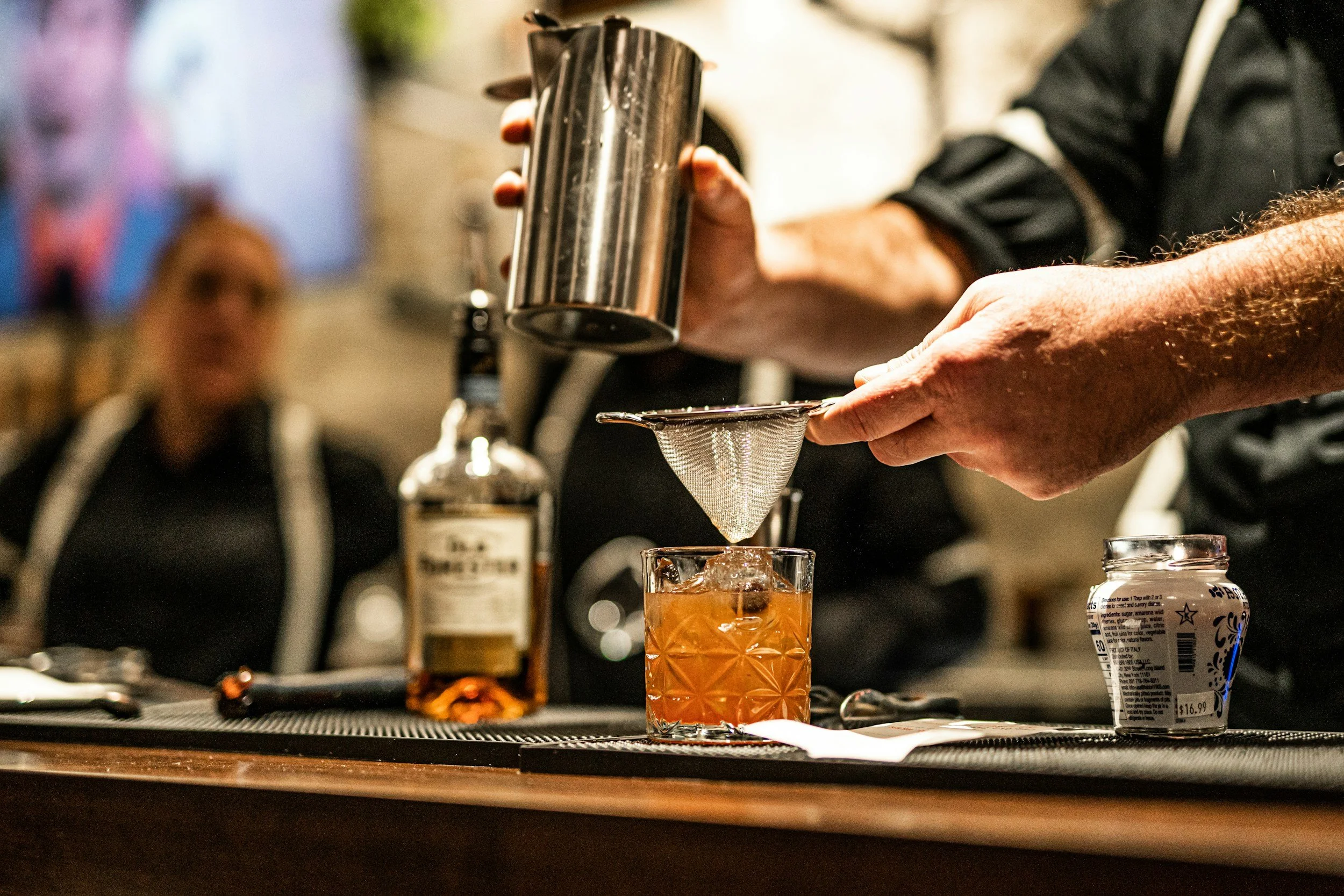
A team building day runs long. If the coffee is bad, the lunch is forgettable, and there's nothing to snack on after 2pm, people check out. We see it consistently: the events with the best energy throughout the day are the ones where the food and drink are handled well at every stage. Not lavish, just thoughtful. Good coffee on arrival. A lunch that's more than boxed sandwiches. Afternoon snacks that keep people going through the last session.
On-site catering makes this easier because the timing stays in sync with your agenda. Outside catering that arrives late or comes in bulk and sits out for three hours doesn't have the same effect.


If It's Hard to Get To, You've Already Lost
This one is simple but gets ignored. If your team building venue is an hour from the office, requires complicated directions, and has no parking, people are frustrated before the day begins. Every logistical inconvenience chips away at goodwill.
Pick a venue that's centrally located, easy to find, and has enough parking that arrival isn't stressful. These details don't make a team building day great, but they can absolutely make it worse.
The Venue Is the Foundation, Not the Afterthought
Most planners spend 80% of their energy on the agenda and activities, and pick the venue based on price and availability. That's backwards. The venue shapes the mood, the energy, and the willingness of your team to engage. Get the space right and the rest of the day has room to work. Get it wrong and even the best facilitator is fighting the environment the whole time.
If you're planning a team building event in Los Angeles, The Hill offers a variety that makes this easier: indoor and outdoor spaces, Hollywood Hills setting, on-site catering, Universal Studios across the street, and a property that feels nothing like a conference room.