
What to Look for in a Team Building Venue for Large Groups (100+), From a Venue That Hosts Them
We host team building events for groups of 100 to 1,000+ at The Hill in Los Angeles. Some of them run like clockwork. Others hit problems that could have been avoided if the planner had known what to look for during the venue search. The difference almost always comes down to a handful of things that don't show up in a photo gallery or a capacity chart.
Most guides on choosing a team building venue focus on generic advice that applies to any group size. But at 100+, the rules change. Here's what we'd tell you to prioritize based on what we see go right and wrong on event days.
You Need More Than One Room
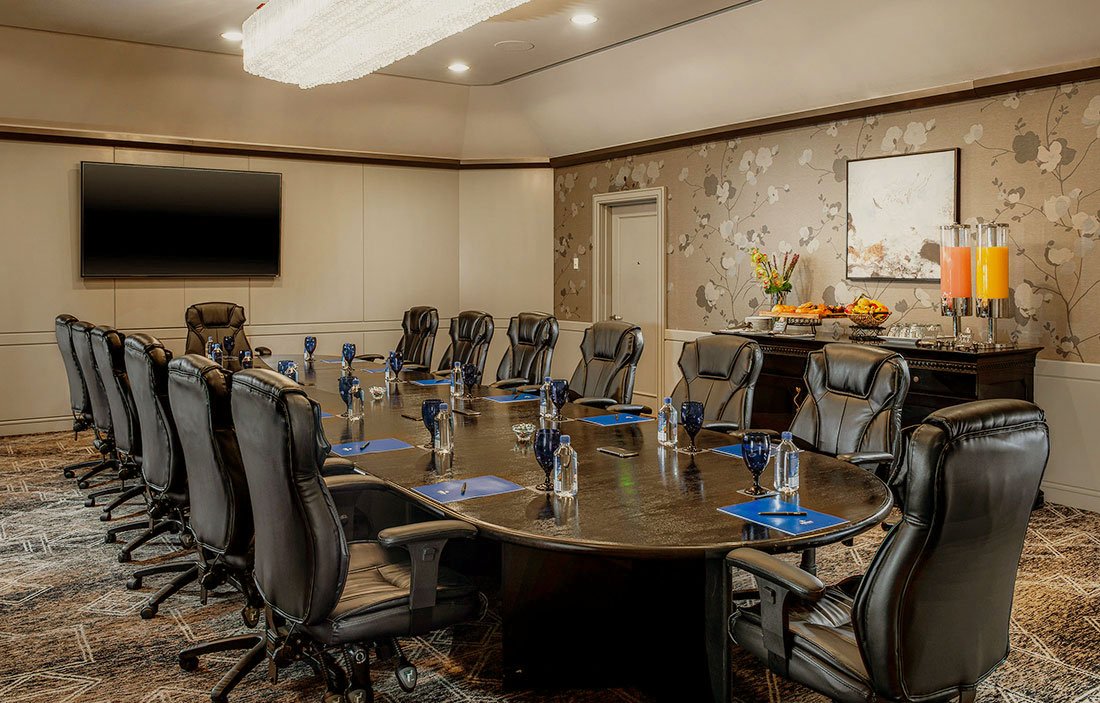
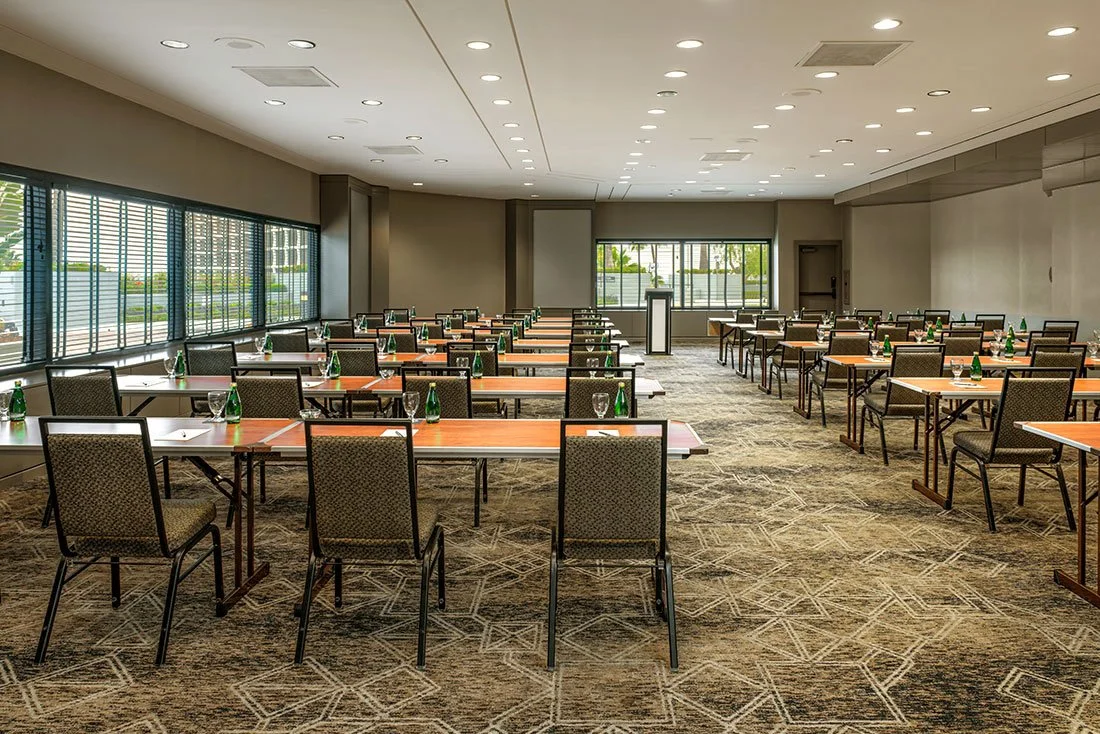
This is the most common mistake. Someone finds a ballroom that fits 150 people and calls it done. But a team building day is not a keynote. Your group will need a main session space, yes, but they'll also need breakout rooms for smaller group work, a separate area for meals, and somewhere people can step away between sessions.
A good rule of thumb is one breakout room for every 50 to 100 attendees. So if you're bringing 200 people, you need at least two to four smaller rooms alongside your main space. These should be close enough to the main room that transitions take minutes, not a cross-campus hike. If your group has to walk ten minutes between sessions, you lose momentum every time.
Look for venues where the breakout rooms, main space, and dining area are all on the same floor or within the same wing. The less travel between spaces, the tighter your schedule stays.
Crowd Flow Matters More Than You Think
At 30 people, everyone walks in, finds a seat, and you start. At 100+, arrival alone becomes a logistics problem. A single entrance with one check-in desk creates a bottleneck before the day even begins. The same thing happens at lunch, during transitions between sessions, and at the end of the day when everyone leaves at once.
When you tour a venue, pay attention to how many entry points it has. Look at how people would move from the main room to breakout spaces, from the session area to the dining area, and from indoor to outdoor spaces. Narrow hallways, single-door rooms, and venues with one central corridor are red flags for large groups.
The best team building venues for this size are designed with flow in mind: multiple access points, wide pathways, and room configurations that distribute people naturally instead of funneling them through choke points.
Sound Systems Are Not Optional
In a room of 30, a facilitator can project their voice. In a room of 150, they can't. If your team building venue doesn't have a built-in sound system with wireless microphones, you'll be renting one. And rental A/V that gets set up the morning of your event is a recipe for technical delays and mediocre audio.
Ask whether the venue has house sound in the main space and, just as important, whether it has A/V support staff on-site. A projector and microphone that nobody knows how to troubleshoot is barely better than not having one at all.
WiFi is the other piece. A hundred people hitting the same network for presentations, group activities, and general connectivity will overwhelm a residential-grade router. Confirm the venue's WiFi can handle simultaneous usage at your group size.
Catering Has to Scale, Not Just Multiply
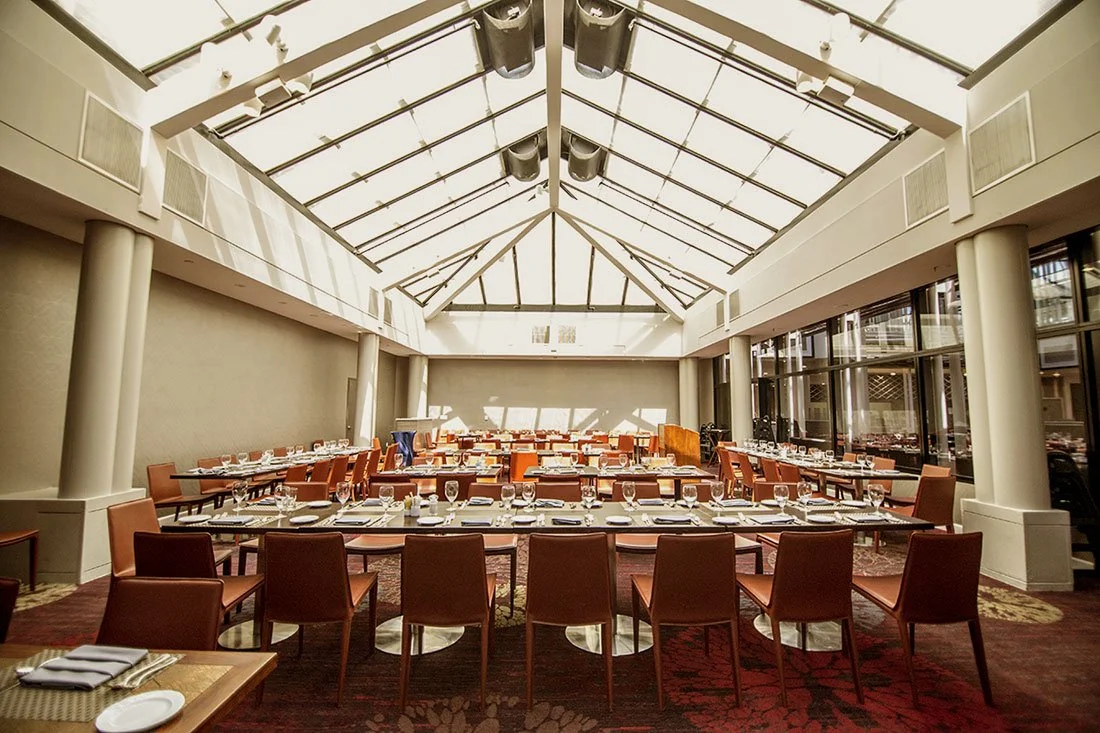
One buffet line works fine for 50 people. For 100+, it creates a 30-minute wait that eats into your afternoon agenda. Large group catering requires either multiple food stations spread across the space or a plated service with enough staff to serve the room efficiently.
For full-day team building events, you also need more than just lunch. Morning coffee and snacks on arrival, an afternoon pick-me-up, and beverages available throughout the day all contribute to keeping energy levels up. A venue with an on-site kitchen that can manage this timing is worth more than a beautiful space where you have to coordinate an outside caterer delivering food in shifts.
Indoor-Outdoor Flexibility Is a Safety Net
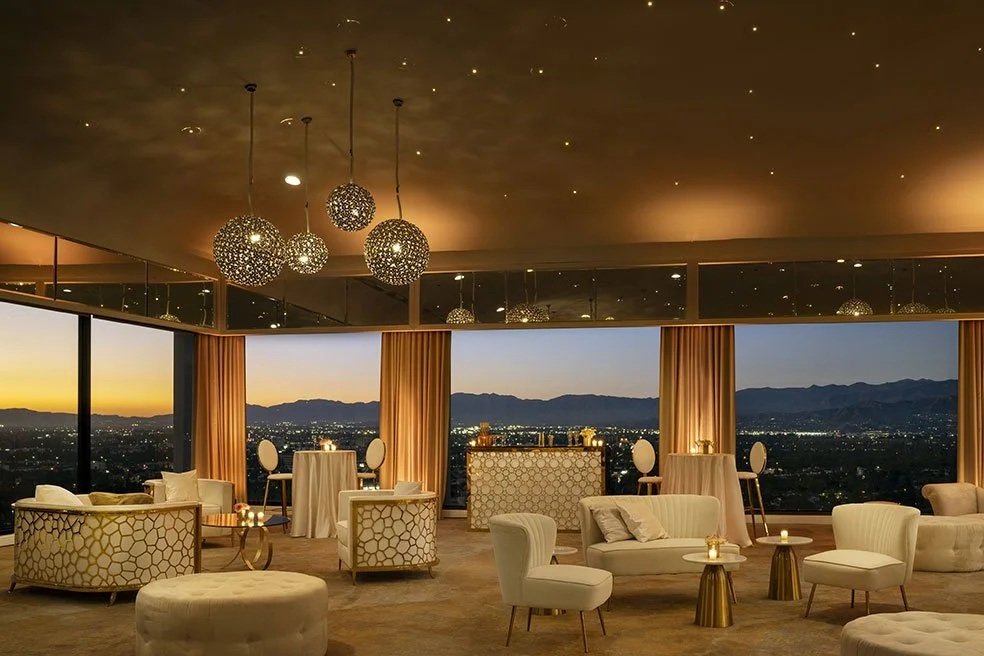
Even if you're not planning outdoor activities, having outdoor space available gives you options. A terrace for breaks, a courtyard for informal networking, or an outdoor area where part of the group can spread out while the other half is in a session. At 100+, having only one environment for the entire day gets stale fast.
Outdoor space also serves as your weather backup in reverse. If your plan is to run activities outside and the weather turns, you need indoor space that can absorb the full group on short notice. Venues that offer both give you flexibility that single-format spaces don't.
Parking and Access at Scale
This one gets overlooked until the morning of the event. A venue that's "easy to get to" with 20 cars is a different story when 80 cars show up at the same time. Confirm the venue has enough parking capacity for your headcount, and ask whether there's valet or attendant service to keep things moving during arrival.
Location matters too, especially for voluntary-attendance events. If the venue is 90 minutes from the office, you'll have lower turnout and a group that arrives already tired. Aim for venues within 30 to 45 minutes of where most of your team is based.
The Right-Sized Room, Not Just the Biggest One
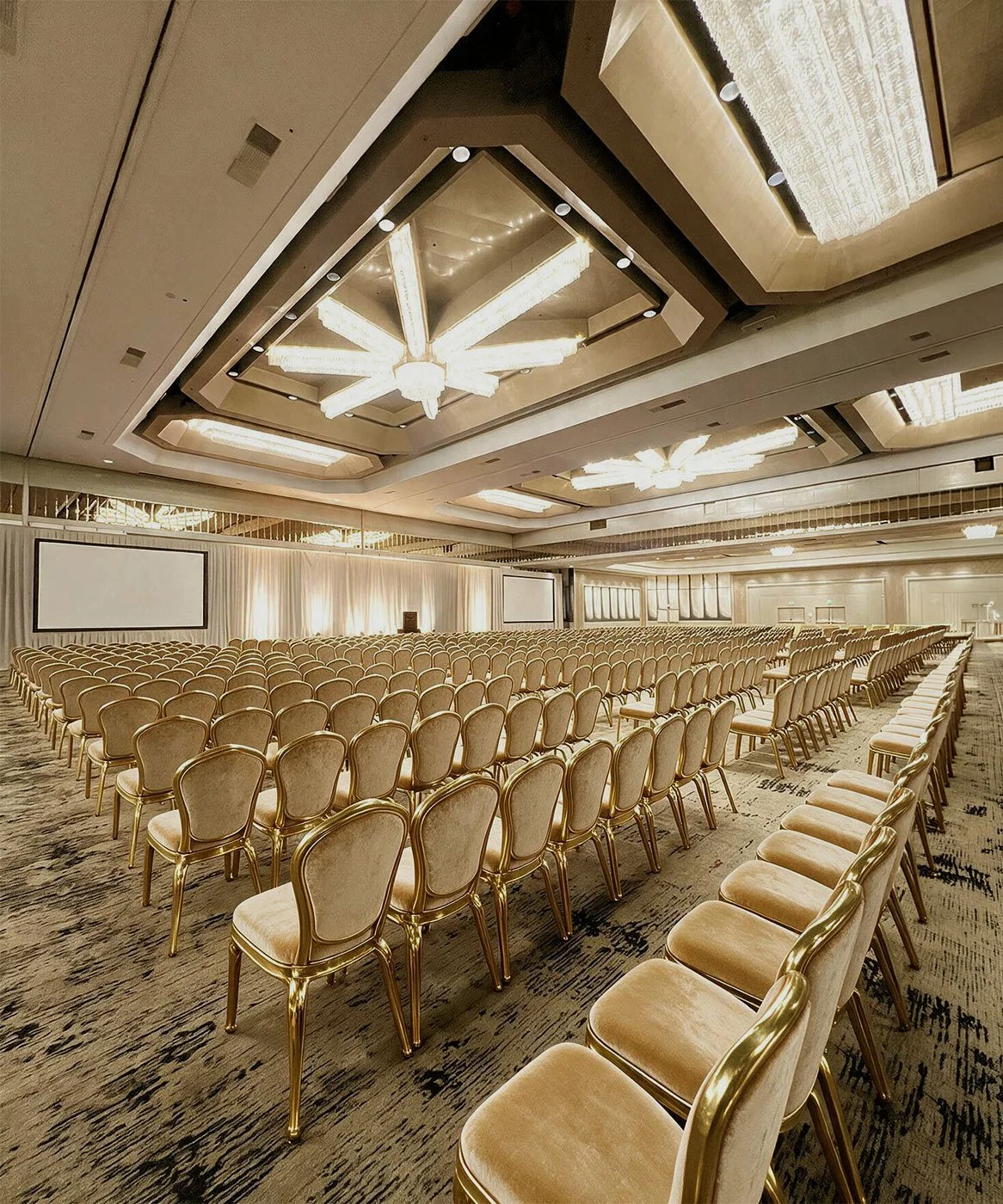
Bigger is not better. A ballroom rated for 500 people will make your group of 120 feel scattered and disconnected. The energy dissipates, people cluster in corners, and the facilitator is speaking into dead space.
The goal is a room that fits your group with about 10 to 15 percent extra capacity. Enough breathing room for activities and movement, but tight enough that the space has energy. Ask the venue what their recommended capacity is for your type of event, not just their maximum occupancy number. A room's fire code limit and its ideal team building capacity are two very different things.
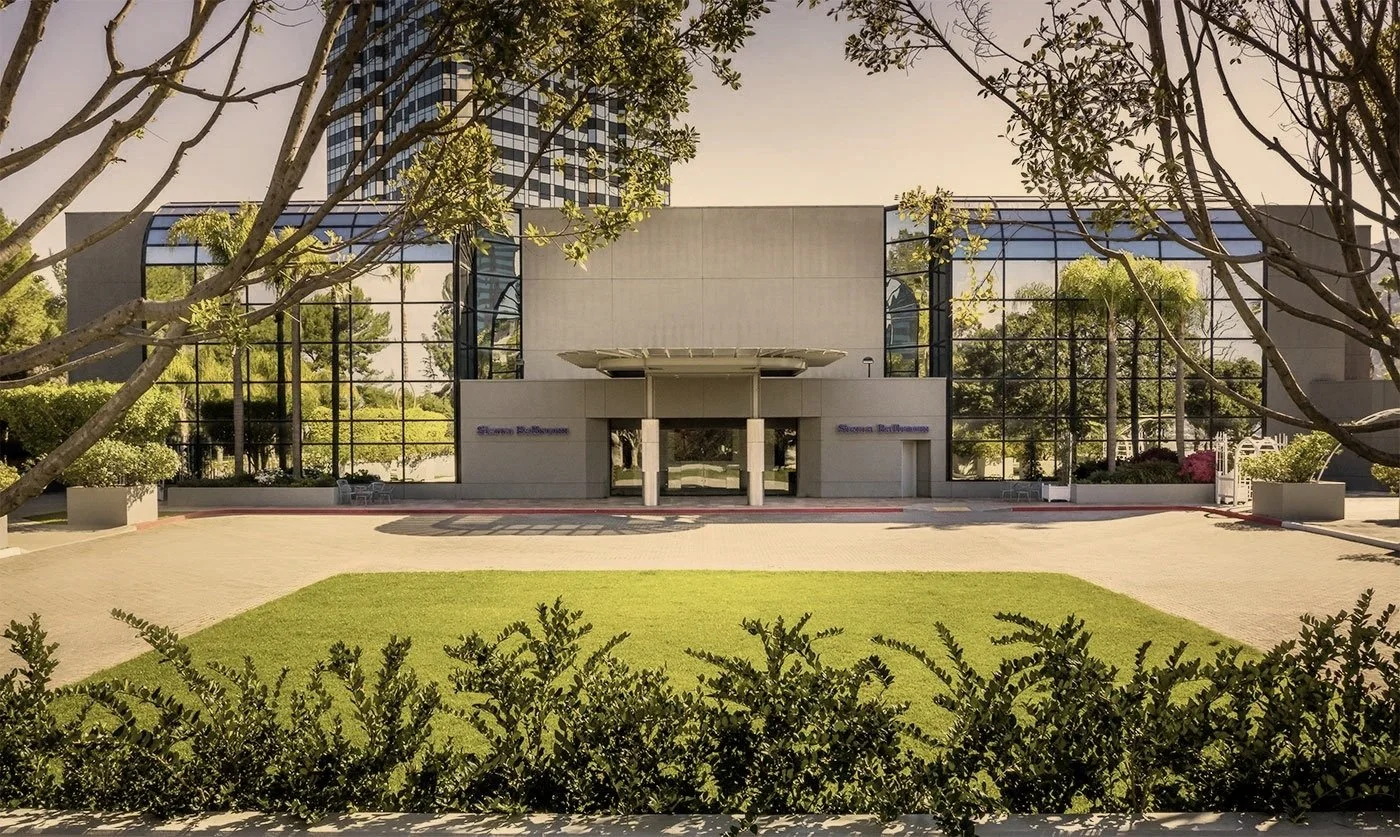
If you're evaluating team building venues in Los Angeles for 100+ people, The Hill checks most of these boxes under one roof: 30+ spaces with breakout rooms, built-in A/V, on-site catering for full-day formats, indoor-outdoor flexibility, a three-level parking garage, and Universal Studios across the street for group activities.